Wet My Plants: A Designer’s Review
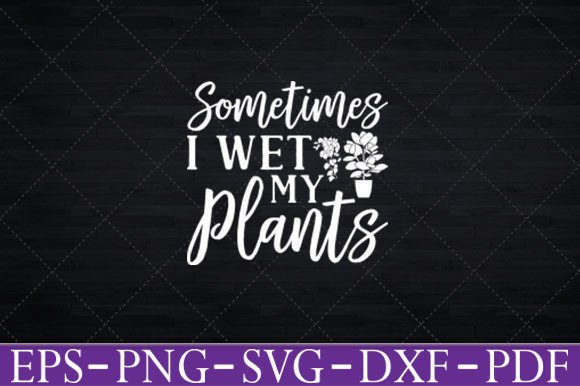
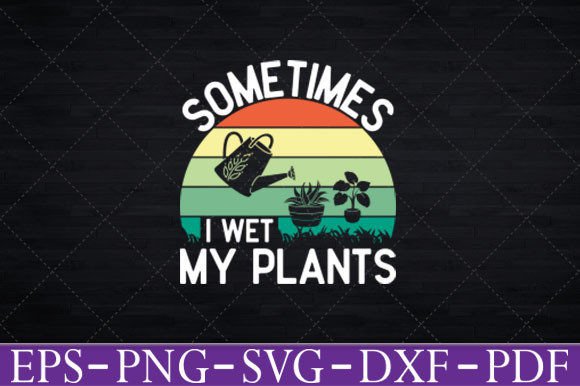
As a designer who spends half my day troubleshooting stitch errors and the other half brainstorming unique concepts for handmade goods, I approach every new digital asset with a healthy dose of skepticism. We have all seen the endless sea of generic clip art flooding Etsy and craft marketplaces. However, when I first pulled up Sometimes I Wet My Plants, Garden Lover, I paused. It is not just another text-based novelty design; it carries a specific mood that resonates deeply with the current trend toward relatable, slightly self-deprecating humor in home decor and apparel.
This review breaks down how this particular embroidery file performs in real-world applications, from initial visual impact to final stitching stability. Whether you are an Etsy seller looking to expand your catalog or a hobbyist making a personalized gift for a fellow plant enthusiast, understanding the practical nuances of this design is crucial before you hit "start" on your machine.
The Visual Personality and First Impressions
The core appeal of Sometimes I Wet My Plants, Garden Lover lies in its straightforward, conversational tone. In embroidery, text-heavy designs can often feel cluttered or difficult to read if the font choice is too ornate or the spacing is off. This design avoids that pitfall by embracing a clean, legible aesthetic. The phrase itself taps into a universal feeling among indoor gardeners—the anxiety of forgetting to water succulents or the chaotic joy of owning more ferns than shelf space.
Visually, the layout suggests a balance between typography and potential graphical elements. While many similar designs rely solely on script fonts, this one likely incorporates structural integrity suitable for various fabric types. For a machine embroidery design, this means it has a better chance of translating well from screen to cloth. The "Garden Lover" aspect implies a connection to nature, which allows for creative thread color choices—think earthy greens, soft browns, and vibrant floral accents—that elevate the piece beyond simple text.
Real-World Application: Where This Design Shines
In my experience, the best embroidery projects are those that fit naturally into the user’s daily life. Sometimes I Wet My Plants, Garden Lover is exceptionally versatile for several key product categories:
- Kitchen and Home Textiles: This design is perfect for embroidered tea towels, kitchen aprons, or even small decorative pillows. The humor works well in domestic settings where guests might spot it while preparing coffee or baking. A tote bag design featuring this quote is also a strong contender for grocery runs or farmers' markets.
- Apparel and Sweatshirts: For sweatshirt embroidery, particularly oversized knits or hoodies, this design strikes the right balance between statement piece and wearable comfort. It fits the "cozy cottagecore" aesthetic that remains popular. On a custom apparel item like a t-shirt, it serves as a conversation starter.
- Personalized Gifts: This is arguably the strongest use case. Whether for a housewarming gift, a birthday present for a botany teacher, or a holiday stocking stuffer, the sentiment is universally understood. A personalized gift with this theme feels thoughtful and tailored to the recipient’s specific hobby.
- Baby and Nursery Items: Surprisingly, this theme translates well to baby gear. An embroidered onesie or nursery wall hanging with a gentle version of this design can be adorable. It appeals to millennial and Gen Z parents who appreciate dry humor mixed with cute aesthetics.
Technical Considerations and Stitch Performance
From a technical standpoint, not all digital files are created equal. When evaluating Sometimes I Wet My Plants, Garden Lover for commercial or serious personal use, several factors come into play regarding stitch density and fabric interaction.
Stitch Density and Clarity: If the design includes dense fill stitches for any graphical elements (like leaves or pots), it is vital to ensure the fabric has enough body to support it. Thin fabrics may pucker, while heavy denim or canvas will hold the structure beautifully. For applique design variations, the satin stitch edges must be clean to prevent fraying during washing. Always inspect the stitch density in your software preview to avoid overloading the fabric.
Fabric Texture and Contrast: The visual appeal of this design relies heavily on thread contrast. On light backgrounds, darker threads will make the text pop, ensuring readability. On dark fabrics, lighter or metallic threads might be necessary to maintain visibility. Testing on scrap fabric is non-negotiable here. You need to see how the thread colors interact with the specific weave of your chosen material.
Hoop Size Constraints: Depending on the intended placement, you must confirm the hoop size required. Large text designs can look awkward if cramped into a small hoop. Ensure the design scales appropriately for your target product, whether it is a chest pocket area or a full-back print.
Areas Requiring Caution
While this design has broad appeal, there are scenarios where it might not perform optimally:
- Curved Surfaces: Embroidering flat text onto curved surfaces like baseball caps can distort the lettering unless the design is specifically digitized for curvature. If the original file is flat, it may require significant re-digitizing for hat applications.
- Stretchy Fabrics: Knit fabrics like jersey or spandex blends require careful stabilization. Without proper stabilizer usage, the tension from the running stitch or satin stitch can cause the garment to pucker permanently.
- Small Details: If the design includes tiny graphical accents, ensure they are large enough to be stitched clearly. Tiny details often get lost in thick threads or on textured fabrics, leading to a muddy appearance.
Commercial Viability and Brand Consistency
For craft business owners and small shop product creators, the value of a design extends beyond its aesthetic. Sometimes I Wet My Plants, Garden Lover offers high recognition potential because it speaks directly to a niche audience. This specificity helps in marketing; you are not targeting everyone, but rather the passionate plant owner, which increases conversion rates.
However, professionalism is key. A poorly stitched finish can undermine even the best design. Use high-quality threads and ensure your machine is calibrated. The finished product should reflect care and attention to detail, reinforcing brand consistency. When customers receive a finished product that looks crisp and durable, their trust in your brand grows, encouraging repeat purchases and positive reviews.
Additionally, always verify the licensing terms before selling finished items. Some digital assets allow for unlimited commercial use, while others may restrict the number of units sold or require attribution. Clear licensing protects your commercial embroidery venture from legal issues.
Practical Tips for Execution
To get the most out of this design, follow these practical steps:
- Test on Scrap Fabric: Always run a test stitch-out on the same type of fabric you plan to use. Check for puckering, thread breaks, and alignment issues.
- Check Black and White Mockups: Convert your design to black and white in your editing software. This helps you evaluate the balance of light and dark areas without the distraction of color.
- Select Proper Stabilizer: Match the stabilizer to the fabric weight. Cut-away stabilizers are generally safer for stretchy or long-lasting garments, while tear-away works well for stable wovens.
- Review Thread Colors: Choose threads that complement the design’s mood. Earth tones enhance the garden theme, while bright neons might clash with the humorous tone.
- Inspect Small Details: Zoom in on the digital file to ensure no tiny elements are too fine to stitch effectively.
In conclusion, Sometimes I Wet My Plants, Garden Lover is a solid addition to any designer’s toolkit. It combines relatable humor with a layout that, when executed correctly, yields a professional and appealing result. By paying attention to fabric choice, stabilization, and stitch quality, you can transform this digital asset into a cherished handmade product that resonates with customers and stands the test of time.