Just a Girl Who Loves Plants Gardening Review
As an embroidery designer who spends half my life digitizing and the other half troubleshooting stitch errors, I don’t just look at a design file; I look at how it will behave on fabric. When I first pulled up Just a Girl Who Loves Plants Gardening, my immediate reaction wasn’t about the text itself, but about the mood it sets. It’s casual, relatable, and undeniably trendy. For anyone running a craft business or selling on platforms like Etsy, this kind of personality-driven graphic is gold. But does it translate well from a screen to a needle? That is the real question.
The First Impression: Mood and Visual Personality
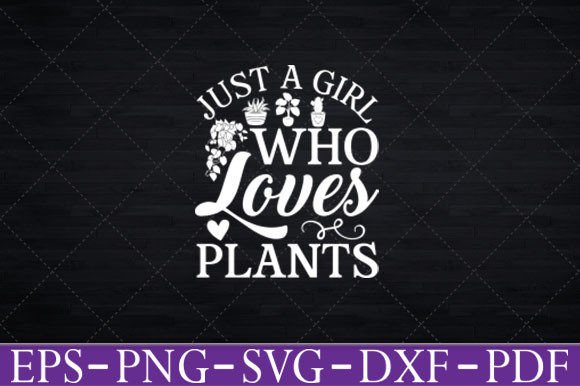
The phrase "Just a Girl Who Loves Plants" taps directly into a massive cultural wave. It’s not just gardening; it’s an identity. Visually, this machine embroidery design leans into that playful energy. The layout feels balanced, likely centering the text with supporting botanical elements that frame the words without overwhelming them. In my experience, designs that try to do too much often result in cluttered stitches and frustrated customers. This one seems to strike a good balance between legibility and decorative flair.
The theme suggests a relaxed, homey vibe. It doesn’t feel formal or corporate. Instead, it feels like something you’d wear while potting succulents on a Sunday morning or sipping coffee in your backyard garden. For a small shop product owner, this is crucial because it helps define the target audience immediately. You aren’t trying to sell this to someone looking for high-end corporate branding; you are selling it to hobbyists, plant parents, and gift-givers looking for something personal and fun.
Real-World Application: Where This Design Shines
I recently imagined using this embroidery file for a custom order—a personalized tote bag for a client who runs a local plant subscription box. The concept was simple: a sturdy canvas tote with this design embroidered on the front pocket. Here is why that combination works so well.
Tote Bags and Canvas Totes
Canvas provides a stable, medium-weight surface that handles fill stitch areas beautifully. If the design includes leafy accents or floral borders, the texture of the canvas will hold those stitches nicely without pilling or distorting. The contrast between dark thread on natural canvas (or light thread on black canvas) creates a crisp, professional look that screams "boutique quality." It elevates a basic $5 bag into a $25+ branded item.
Sweatshirts and Hoodies
For fall and winter collections, this custom apparel idea is strong. A cropped hoodie or an oversized crewneck sweatshirt with this design placed slightly off-center or on the back can create a very modern, streetwear-inspired aesthetic. However, you must be mindful of the stitch density. Heavy fill stitches on fleece can sometimes cause the fabric to pucker if not stabilized correctly. Using a cut-away stabilizer here is non-negotiable to maintain that clean, flat finish.
Applique Design Possibilities
One interesting angle is treating this as an applique design. Imagine using a contrasting felt or linen for the background shape behind the text, then stitching the letters and small details with satin stitch. This adds dimension and tactile interest. It transforms a standard print-like embroidery into a piece of wearable art. This technique is particularly effective for personalized gift items where you want the customer to feel they are receiving something unique and handcrafted.
Where to Exercise Caution
No design is perfect for every situation. As a reviewer, I need to point out where Just a Girl Who Loves Plants Gardening might struggle if you aren’t careful.
- Small Hoop Sizes: If you are working with tiny hoops (under 4x4 inches), fine details in the lettering or small leaf veins might get lost or merge together. Always test on scrap fabric first to ensure the smallest elements remain distinct.
- Stretchy Fabrics: Avoid using this on thin jersey knits or spandex blends unless you have excellent tension control and appropriate stabilizers. Stretch fabrics can distort the geometry of the text, making it look wavy or misaligned.
- Dark Fabrics with Light Threads: While high contrast is good, light threads on dark backgrounds can sometimes require multiple passes or heavier density to cover the base color completely. This increases hoop time and thread usage, which impacts your profit margins.
- Curved Surfaces: Putting this on a baseball cap requires precise alignment. If the design has straight horizontal lines, they may look awkward if not perfectly parallel to the brim. Take extra care during hooping.
Technical Notes for the Embroidery Designer
Before you rush this into production for your Etsy seller inventory, there are a few technical checks I recommend. First, inspect the stitch density. Is it optimized for speed, or is it overly dense? Overly dense designs waste thread and stress your machine. Second, check the thread colors suggested. Do they offer enough variety? A good digital embroidery file should allow for creative interpretation—maybe a pastel palette for spring or earth tones for autumn.
Also, consider the finished product lifecycle. Will this item be washed frequently? If so, ensure the design uses secure anchor stitches and avoids long floating runs that could snag. Testing in black and white mockups is also a smart move. It helps you see the structural integrity of the design without being distracted by color choices. If the shapes read clearly in grayscale, they will likely embroider well.
Final Verdict: Value and Market Fit
Does Just a Girl Who Loves Plants Gardening add value to your collection? Absolutely. It fits seamlessly into the current market demand for nature-inspired, lifestyle-focused merchandise. It appeals to a broad demographic, from college students to retirees, making it a versatile asset for any commercial embroidery project.
It enhances brand consistency for shops that focus on wellness, gardening, or cozy living aesthetics. Customers trust designs that look professionally executed and thoughtfully placed. By using this graphics asset wisely, you signal that you understand their interests and values.
In conclusion, this is a solid, commercially viable design. It’s not groundbreaking in terms of complexity, but that is its strength. It’s reliable, recognizable, and ready to turn into profitable handmade products. Just remember to respect the fabric, choose your stabilizer wisely, and always, always run a test stitch. Happy stitching!