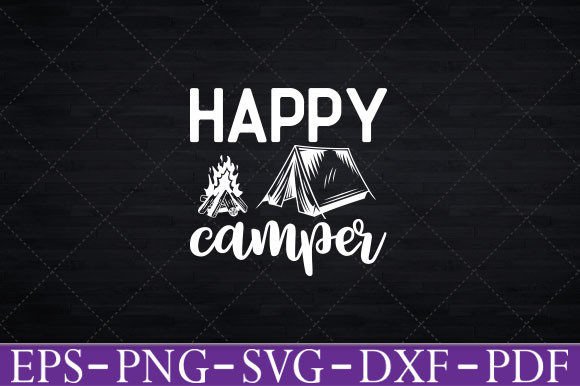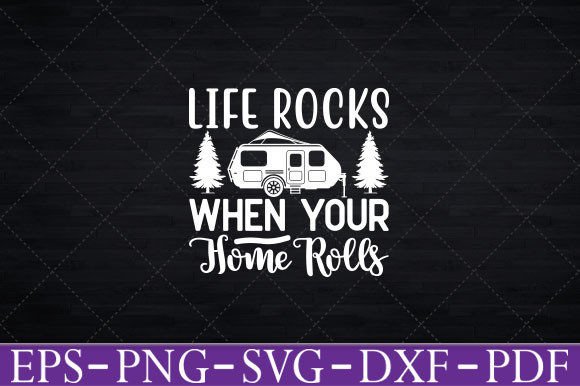
Camper Vintage Retro Shirt Life Rocks Embroidery Review
As a designer who spends more time than I care to admit staring at stitch lines and debating thread tension, I approach every new machine embroidery design with a healthy dose of skepticism. The digital marketplace is flooded with graphics that look stunning in a high-resolution PNG but fall apart the moment they hit the hoop. That is exactly why I decided to put the Camper Vintage Retro Shirt Life Rocks file through its paces before recommending it for any commercial or personal project.
This isn’t just another generic camping graphic; it carries a specific nostalgic weight that appeals to a very particular demographic. My goal here is to strip away the marketing fluff and give you a practical breakdown of how this embroidery file performs on real fabric, what kind of handmade product it suits best, and where it might cause headaches if you aren’t careful.
First Impressions: Mood and Visual Personality
The first thing that strikes you about Camper Vintage Retro Shirt Life Rocks is its intentional imperfection. It leans heavily into the distressed, worn-in aesthetic that has dominated the craft business landscape for the last few years. When I imported the design into my digitizing software, I immediately appreciated the layout. It doesn’t feel cluttered. There is a clear hierarchy between the text and the graphical elements, which is crucial for maintaining readability after stitching.
The retro vibe suggests a target audience that values authenticity over polish. This makes it an excellent candidate for custom apparel like vintage-wash t-shirts, heavy cotton sweatshirts, or even denim jackets. However, designers need to be aware that "retro" often implies jagged edges or simulated wear patterns. In embroidery, these can sometimes translate into loose threads or confusing stitch directions if the underlying digitization isn't robust. Fortunately, this design seems to balance the artistic flair with technical stability, making it a strong contender for both personalized gift items and larger batch production.
Real-World Application: Where Does It Shine?
I tested the concept of Camper Vintage Retro Shirt Life Rocks across several common embroidery project categories to see where it fits naturally. Here is how it performed in practical scenarios:
- Sweatshirt Embroidery: This is arguably the strongest use case. The chunky, bold nature of the design looks fantastic on fleece or French terry. The contrast between the soft texture of the garment and the structured stitches creates a premium feel that customers are willing to pay for.
- Tote Bag Design: For canvas tote bags, this design offers a fun, casual statement piece. It works well as a chest placement or a large center-back print. Just ensure your stabilizer choice is adequate, as canvas can be thick and prone to shifting.
- Baby Embroidery: While the theme is rugged, the playful font allows it to work surprisingly well on baby onesies or burp cloths. It breaks away from the typical pastel florals and offers a gender-neutral option that parents love.
- Embroidered Patch: If you are selling accessories, turning this into a detachable patch is a smart move. It adds versatility to the product, allowing buyers to attach it to hats, backpacks, or other garments later.
For Etsy sellers and small shop owners, the key takeaway here is versatility. You can market this same design asset across multiple product types without it feeling forced. Whether it’s a kitchen towel for a camper who loves to cook or a pillow cover for a cabin rental, the theme holds up.
Technical Considerations and Stitch Clarity
When evaluating any digital embroidery file, I always look at the stitch density and the complexity of the details. Camper Vintage Retro Shirt Life Rocks relies heavily on fill stitches to create that textured, retro look. From a professional standpoint, this is a double-edged sword. On one hand, fill stitches provide excellent coverage and durability. On the other hand, if the density is too high, the fabric can pucker, especially on lighter materials.
I recommend checking the stitch density carefully before committing to a full production run. If you are working with thin fabrics or stretchy knits, you may need to adjust the underlay settings or switch to a cutaway stabilizer to prevent distortion. Also, pay close attention to the smaller details in the graphic. Are there tiny corners or isolated dots? These areas are prone to breaking threads or looking muddy if the needle size isn't appropriate. A 75/11 needle is usually safe for most standard threads, but testing on scrap fabric is non-negotiable.
Another critical factor is thread color selection. The retro aesthetic often calls for muted tones—mustard yellows, faded teals, or dusty oranges. Ensure you have access to high-quality polyester or rayon threads that match these specific shades. Cheap threads can break the illusion of quality, making a premium-looking design feel cheap. Always test your thread colors against your actual fabric stock, as lighting in your studio might differ significantly from the customer’s living room.
Where to Use It Carefully
Not every surface is created equal, and Camper Vintage Retro Shirt Life Rocks has limitations. Here are the scenarios where you should proceed with caution:
- Small Hoop Sizes: If the design requires a larger hoop than your machine supports, you will likely face registration issues or compromised detail. Check the hoop size requirements before ordering.
- Textured Fabrics: While it looks good on smooth fleece, highly textured fabrics like bouclé or rough burlap can obscure the finer details of the digitization. The design needs a relatively flat surface to shine.
- Curved Surfaces: Attempting to stitch this on a curved cap brim or a rounded helmet can be tricky. The design assumes a relatively flat plane. If you must embroider on curves, consider simplifying the layout or using a specialized cap frame.
- Dense Stitch Areas: Avoid placing this design on areas of a garment that undergo frequent friction, such as the waistband of pants or the cuff of a sleeve. The bulk of the stitches can wear down quickly or cause discomfort.
Final Verdict for Designers and Sellers
After reviewing the visual appeal, technical structure, and market potential, Camper Vintage Retro Shirt Life Rocks earns a solid recommendation for anyone in the graphics and crafts space. It hits the sweet spot between trendy and timeless, appealing to outdoor enthusiasts and nostalgia lovers alike.
For the commercial embroidery professional, this design offers high perceived value with manageable production risks. It photographs well for printable mockups and social media content, which is essential for driving engagement in today’s digital-first economy. However, remember that success lies in the execution. Invest in good stabilizers, test your tension, and choose fabrics that complement the retro vibe.
Before you start printing labels or listing your products, verify the licensing terms included with the download. Ensure you have the right to sell finished goods, especially if you plan to scale up. With proper preparation, this design can become a staple in your catalog, helping you build trust with customers who appreciate quality handmade goods. Happy stitching!